Table of Contents
Artificial Intelligence (DeepDive) has been one of the most transformative and disruptive technologies of the 21st century. From its early theoretical origins to the widespread use in various industries today, AI (Deepdive) has redefined human-machine interaction and changed the landscape of business, healthcare, education, and beyond. As we look to 2025, it’s essential to understand how far AI has come, the challenges it faces, and the immense impact it will continue to have on our society, economy, and personal lives.
In this deep dive, we’ll explore the current state of AI, its breakthroughs, its role in various industries, the ethical considerations it raises, and how its future will shape the world in 2025 and beyond.

Deepdive
The Early Beginnings
Deepdive The concept of AI traces its roots back to the 1950s when pioneering computer scientist Alan Turing developed the famous Turing Test, which served as a measure of a machine’s ability to exhibit intelligent behavior indistinguishable from a human. However, early AI research was limited by computing power, storage, and algorithmic limitations.
The AI (Deepdive) Winter
The 1970s and 1980s saw a period of stagnation in AI research, often referred to as the “AI Winter.” Hype and overconfidence led to disappointments when AI (Deepdive) systems failed to meet expectations. Limited computing power and an inadequate understanding of how to truly replicate human intelligence made progress slow.
The Revival in the 21st Century
Fast forward to the early 2000s, and AI began experiencing a renaissance due to significant advancements in computing power, the availability of large datasets, and breakthroughs in machine learning and deep learning algorithms. These technologies allowed for significant improvements in natural language processing, image recognition, and autonomous systems.
Today, we are witnessing AI systems capable of complex tasks, such as understanding human speech, diagnosing diseases, and even playing games like chess or Go at levels far beyond human capacity.
2. AI in 2025: What Does the Future Hold?
As we approach 2025, AI will be deeply integrated into almost every aspect of daily life and industry. Here are some key trends that will define AI’s influence:
A Fully Automated World
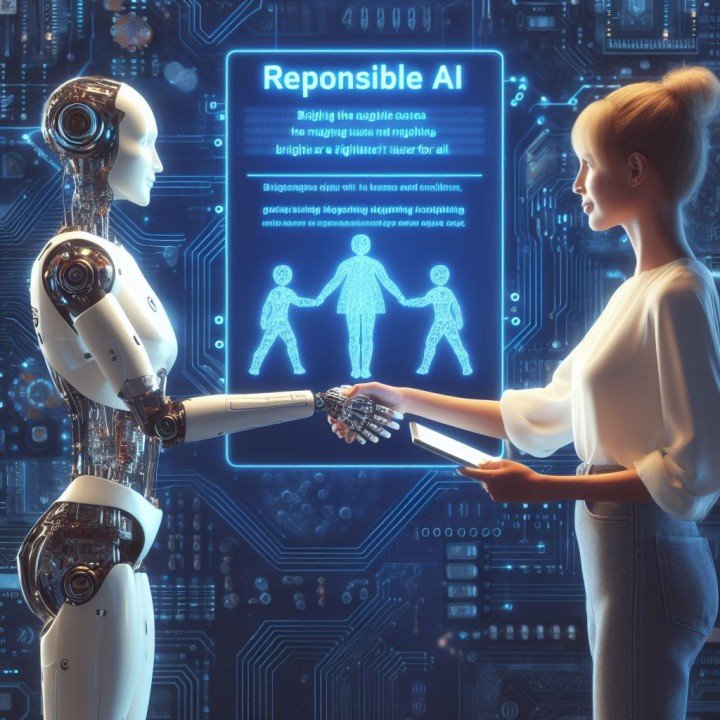
One of the most notable changes in the next few years is the increasing automation across multiple sectors. AI-powered robots and machines will take on more roles traditionally filled by humans, especially in industries like manufacturing, retail, and customer service. However, this will not necessarily mean a loss of jobs across the board. Rather, it will shift the types of jobs available, with more focus on tasks requiring creativity, problem-solving, and emotional intelligence—skills that are difficult for AI to replicate.
AI in Healthcare
In 2025, AI will revolutionize healthcare even further. Diagnostic tools powered by AI, such as those based on deep learning algorithms, will be able to detect diseases like cancer or Alzheimer’s with unprecedented accuracy. AI will also improve personalized medicine by analyzing individual genetic data and offering treatments tailored to specific needs.
Robotic surgery will become more precise, with AI aiding surgeons in complex procedures. Moreover, AI will be integral in drug discovery, drastically shortening the time required to bring life-saving drugs to market by analyzing vast amounts of data for potential compounds.
AI in Education
In education, AI will foster personalized learning experiences. AI-powered platforms will create adaptive learning systems that can analyze each student’s strengths, weaknesses, and preferences, offering custom-tailored learning paths. This approach will benefit students by allowing them to learn at their own pace and according to their specific needs.
Moreover, AI will aid teachers in monitoring student progress and identifying those who require additional support, making education more inclusive and effective.
Power of AI (Deepdive) in Autonomous Vehicles
By 2025, autonomous vehicles (AVs) will be common on the roads. The combination of AI, computer vision, and sensor technology will allow self-driving cars to navigate complex environments with high levels of safety. We’ll see more widespread adoption of AVs, not just in personal cars but also in public transportation systems, delivery services, and freight trucking.
AI’s integration into transportation will likely reduce accidents caused by human error, lower transportation costs, and transform the very structure of cities, as fewer cars may be needed for personal use.
AI (Deepdive) and Smart Cities
Smart cities will become increasingly reliant on AI to optimize everything from traffic management to energy consumption. In 2025, AI-driven solutions will manage public services in real-time, ensuring that cities are more efficient, sustainable, and livable. Waste management, water distribution, and electricity grids will all be powered by AI, ensuring optimal resource use.
Additionally, AI will enable the creation of smart infrastructure that can predict and respond to various needs, such as adjusting street lighting based on traffic patterns or detecting and repairing infrastructure failures before they become critical.
3. The Ethical and Social Implications of AI

As AI continues to expand, ethical concerns become more pressing. There are several key areas of concern that need addressing as we approach 2025:
Job Displacement and the Future of Work
The automation of tasks traditionally performed by humans will lead to job displacement, especially in industries like manufacturing, transportation, and customer service. While AI will create new jobs in fields like data science, AI ethics, and autonomous systems management, these shifts will require significant re-skilling and upskilling efforts. Governments, educational institutions, and businesses will need to invest heavily in workforce transition programs to minimize the impact of job losses.
Privacy and Data Security
AI systems rely on vast amounts of data to function effectively, and much of this data is personal in nature. The collection, storage, and use of personal data have raised concerns about privacy and security. In 2025, governments and corporations will need to strike a balance between the benefits of AI-powered services and the protection of individual privacy rights.
Data breaches and misuse of personal information could result in significant ethical, legal, and financial consequences. Transparent data practices and stronger regulations will be essential to maintaining public trust in AI systems.
Bias and Discrimination
AI systems are only as unbiased as the data they are trained on. If the training data reflects societal biases, the AI system will likely perpetuate and even exacerbate these biases. In the next few years, we will likely see an increasing focus on ensuring AI systems are fair, transparent, and accountable. This includes developing frameworks and regulations to detect and mitigate bias in AI (Deepdive) algorithms.
AI (Deepdive) in Warfare
AI’s role in defense and military operations is another major ethical concern. The use of AI (Deepdive) in autonomous weapons systems, surveillance, and decision-making processes could escalate tensions and raise questions about accountability. AI in warfare has the potential to reduce human casualties but also risks creating new kinds of conflict that are harder to regulate and control.
4. The Path Forward: Challenges and Opportunities

As we move toward 2025, AI will undoubtedly bring both immense opportunities and serious challenges. Some of the key challenges to consider include:
- Ethical Frameworks: Developing robust ethical frameworks to guide AI development is essential. These frameworks must address issues like privacy, transparency, accountability, and bias.
- Regulation: Governments around the world will need to regulate AI to ensure it is used responsibly and for the benefit of society. This includes creating standards for AI safety, ensuring that AI-powered systems are explainable, and protecting individuals from harm.
- Human-AI Collaboration: Rather than viewing AI as a threat, society will need to focus on how humans and AI can collaborate to achieve greater productivity and creativity. The future of work will involve a synergy between human expertise and AI’s computational power.
Conclusion: The AI Revolution in 2025
As we look ahead to 2025, AI will undoubtedly have a profound and transformative impact on nearly every aspect of our lives. From healthcare to education, transportation to smart cities, the opportunities for AI to enhance our daily experiences are immense. However, as with any powerful technology, the ethical considerations and societal challenges that come with AI (Deepdive) cannot be ignored.
By addressing issues like bias, privacy, job displacement, and the regulation of AI, we can ensure that this technological revolution benefits all of humanity. The future of AI is not a question of if it will change the world, but how it will change the world and how we will shape it.
Read Blog- 01 on Freelancerr